Landlords weigh solar differently to owner-occupiers: who captures the bill savings, what tenants will pay in rent, and how the asset looks at sale or refinance. The engineering is familiar; the split of benefits is the hard part.
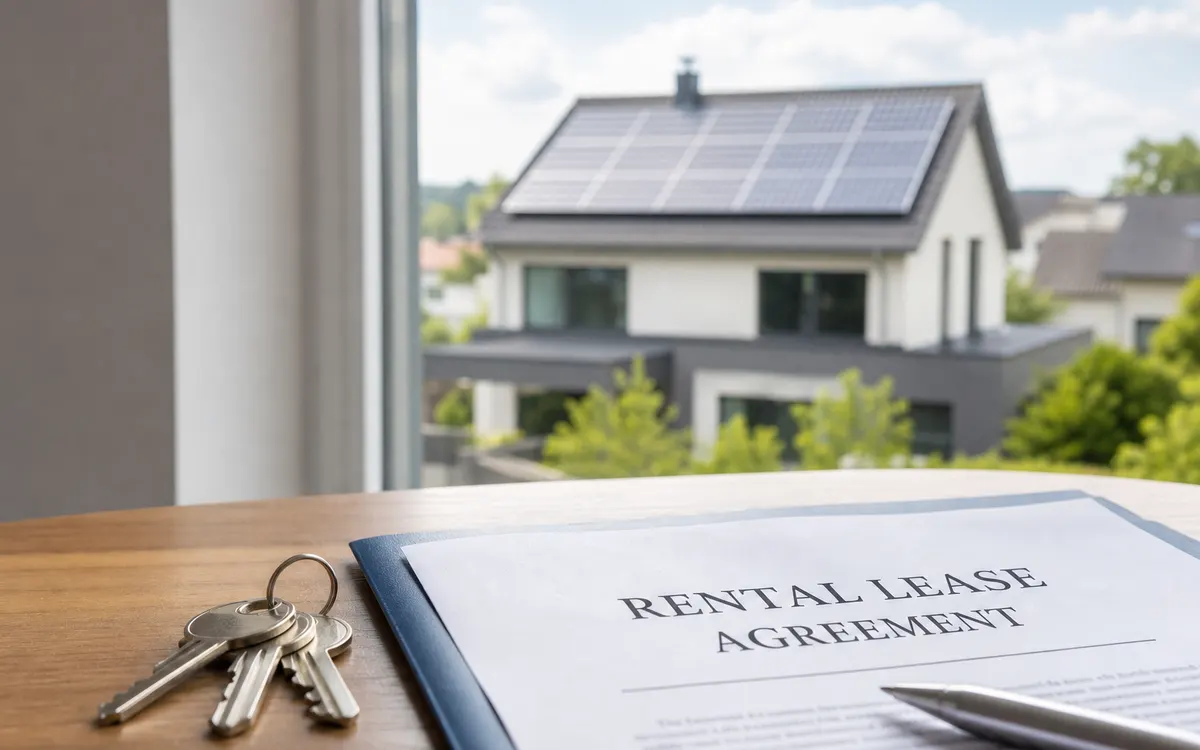
Who pays the bill matters
If tenants hold the electricity account, they receive feed-in credits and import reductions unless the lease says otherwise. Landlords may still gain via higher rent, lower vacancy, or sale premiums — but those are softer numbers than owner-occupier payback.
- Clarify whose name is on the retail account
- Discuss rent adjustments transparently and lawfully
- Budget for property-manager coordination on access days
- Keep warranties transferable for future sale
On rentals, solar is an asset strategy first and a bill strategy second.
Vacancy and misuse risks
Empty homes export more; poorly understood isolators get switched off. Simple tenant guides reduce support calls.
Tax and depreciation
Capital allowances and deductions are accountant territory. Document install costs cleanly.
Right-sizing for tenants
Modest, reliable systems with clear monitoring often beat oversized arrays chasing landlord export income that tenants effectively control.