Partial shade is the classic reason Australian households look beyond a simple string inverter. Microinverters and DC optimisers both aim to stop one dull module from dragging its neighbours — but they are not interchangeable on cost, monitoring, or failure modes.
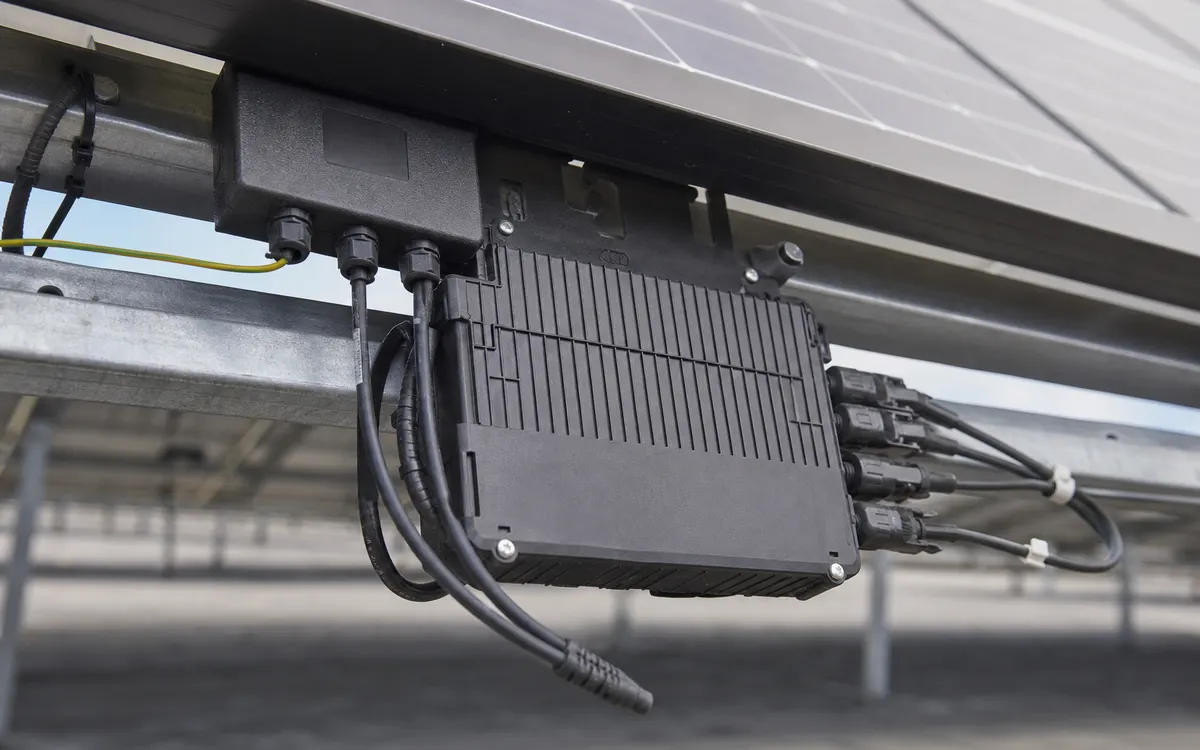
What each technology actually does
Microinverters convert DC to AC at each panel (or small group). Optimisers condition DC at the module and still feed a central string inverter. Both improve shade tolerance and panel-level monitoring compared with a basic string design.
| Topic | Microinverters | DC optimisers + inverter |
|---|---|---|
| Shade response | Strong module independence | Strong module-level MPPT |
| Roof equipment | Inverter at each module | Optimiser per module + wall inverter |
| Monitoring | Usually panel-level | Usually panel-level |
| Service access | Roof work for unit faults | Wall inverter easier; roof for optimiser faults |
When a plain string is still enough
Unshaded north roofs with clean geometry rarely need module-level electronics. Paying for them “just in case” can weaken payback without lifting yield.
- Map shade hours before choosing architecture
- Compare 25-year energy, not only hardware sticker price
- Ask about rapid shutdown and fire-service expectations in your state
- Confirm warranty labour terms for roof-mounted failures
Module-level gear is a shade tool, not a status upgrade.
Heat, wildlife, and roof complexity
More devices on the roof mean more connectors and potential animal interference. Quality installation and cable management matter as much as brand brochures.
Cost and replacement cycles
Central inverters are often replaced once in a system life; microinverter fleets age on the roof. Optimiser systems still have a central inverter to replace. Build that into long-run cost.
How to choose without brand theatre
Pick the architecture that matches your shade map, monitoring needs, and installer competence. A brilliant product poorly installed underperforms a simpler string done well.