Heritage overlays and neighbourhood character controls can shape where panels sit, how visible they are from the street, and whether council approval is required before an installer books a crane. Ignoring planning risk is a classic quote-to-cancellation story.
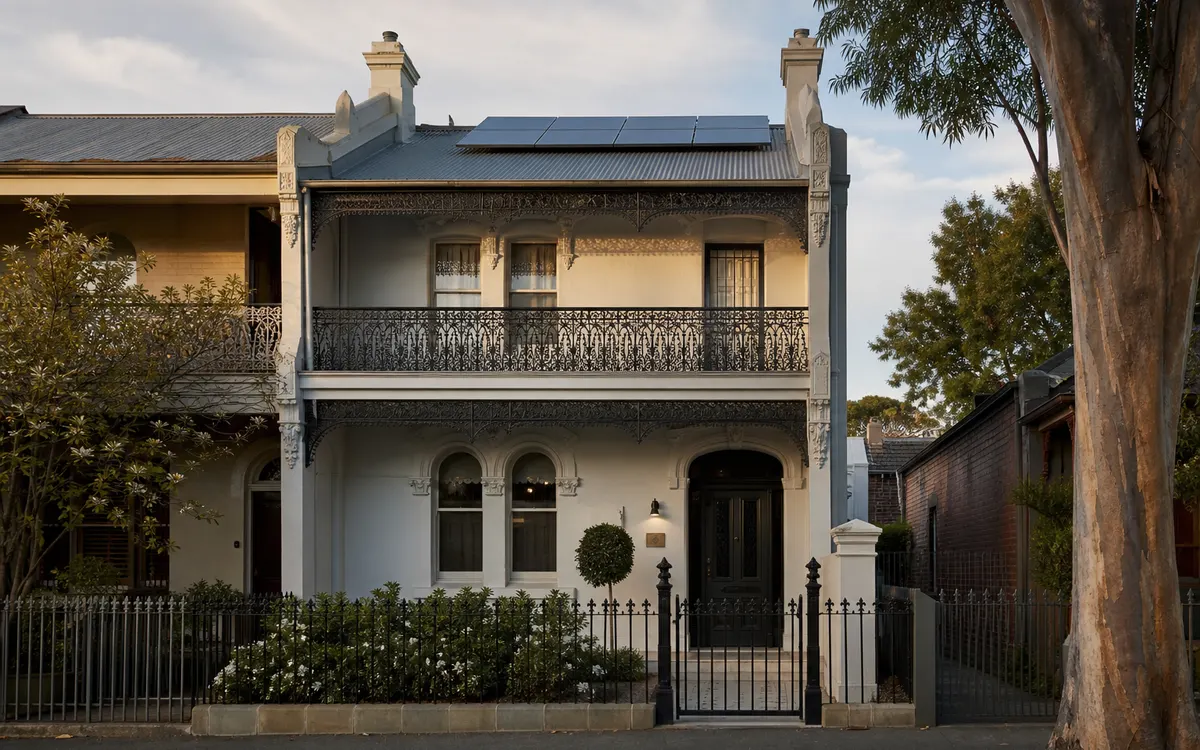
Overlays are local, not national
Rules differ by council and state planning schemes. Some allow solar with conditions on street-facing planes; others need permits for prominent roofs. Check the property’s planning layers before you fall in love with a north street pitch.
- Search the council map for heritage or neighbourhood character overlays
- Ask the installer who lodges planning applications and who pays fees
- Photograph street and laneway sightlines for the planner pack
- Consider rear or low-visibility planes even if yield is slightly lower
A hidden rear array that is approved beats a perfect north plane that never gets consent.
Design compromises that still work
Black panels, aligned rows, and setbacks from ridgelines can satisfy aesthetic conditions with modest energy trade-offs. Argue for energy outcomes with drawings, not only words.
Timelines
Planning can add weeks or months. Do not sign rigid finance commencement dates until consent pathways are clear.
If refused
Ask what redesign would pass. Sometimes a smaller system on a different plane is enough. Document decisions for future buyers.