An electric vehicle can turn middling solar payback into a stronger story — if you charge when the roof is producing. Evening fast charging on peak tariffs undoes much of that advantage.
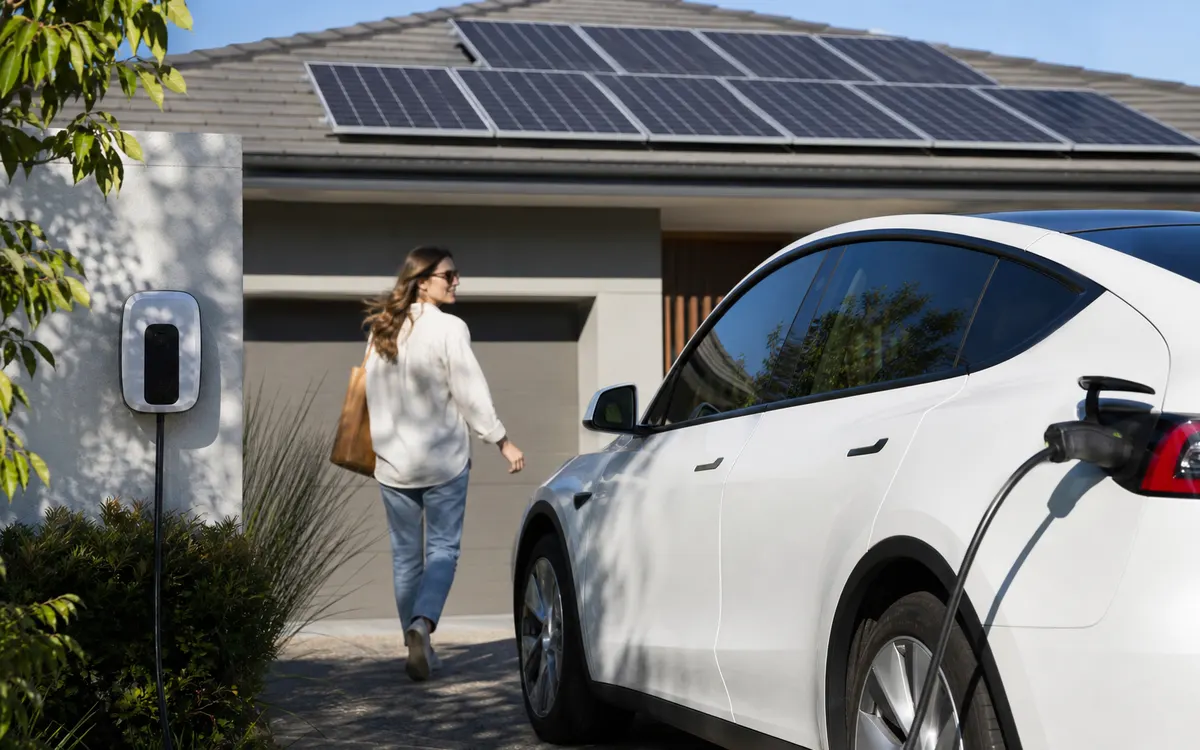
Surplus first, grid second
Solar-aware chargers and vehicle timers can prioritise rooftop surplus. Without that discipline, the car becomes another evening peak load competing with cooking and heating.
- Match charger amperage to likely midday surplus, not only maximum hardware rating
- Use vehicle or wall-box scheduling aligned to solar hours
- Watch three-phase balance on larger homes
- Recalculate solar size if an EV is arriving within a year
The cheapest EV kilometres are the ones your inverter already made.
Export limits and charging
Charging at home converts electrons that might have been export-capped into transport fuel. On constrained networks, that can improve project economics without raising the export limit.
Tariff interactions
Some plans offer overnight EV rates that beat solar opportunity cost in winter. Remain flexible seasonally rather than locking one dogma.
Hardware and standards
Use licensed electrical installation for wall-boxes. Residual-current and earthing requirements are not DIY territory. Keep solar isolators and EV supply clearly labelled for future trades.
Right-sizing the roof for a car
A second vehicle or a long daily commute can justify more panels; a short urban commute may not. Let odometer data lead the array conversation.