Retrofitting a battery to an existing rooftop system is common — and more constrained than a new hybrid design. Inverter compatibility, switchboard space, export settings, and backup expectations all need a clear plan before you chase rebate deadlines.
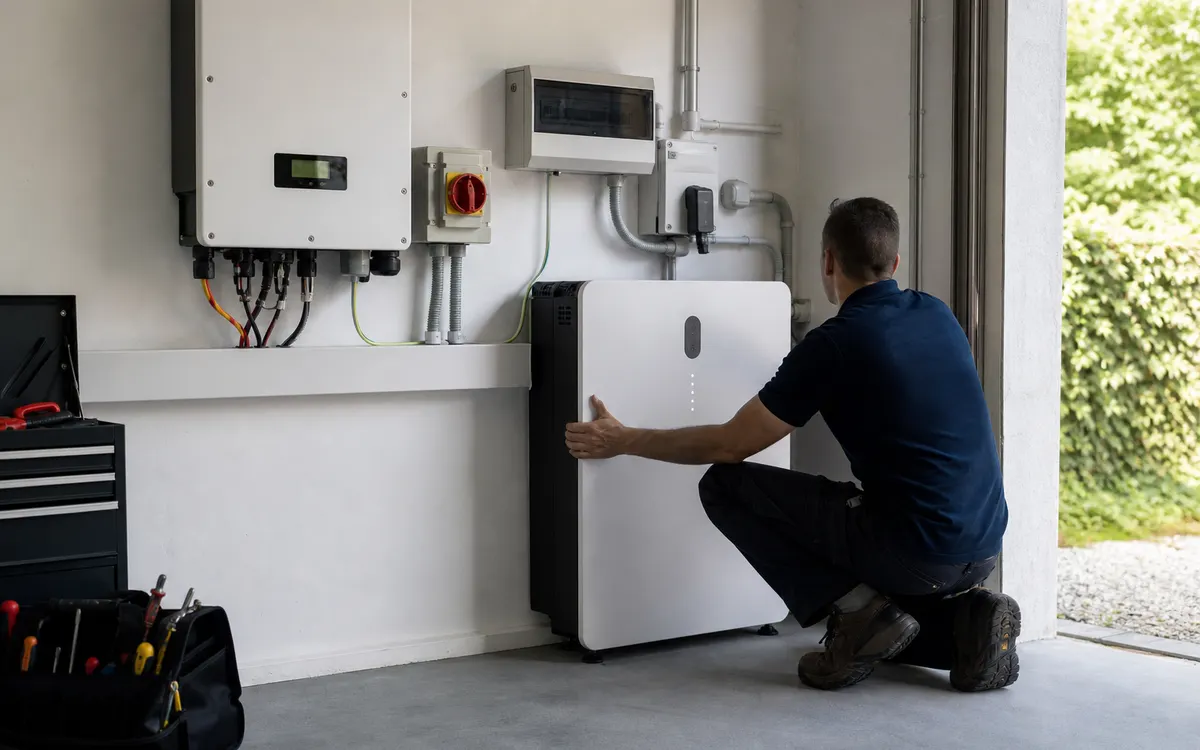
AC-coupled versus hybrid upgrades
Many retrofits add an AC-coupled battery that charges from surplus solar or the grid. Alternatively, some owners replace the solar inverter with a hybrid unit. Replacement can unlock cleaner backup and monitoring, at higher upfront cost and more downtime.
- List existing inverter make, model, and firmware
- Confirm CT clamp placement for correct charge logic
- Ask which circuits will have backup power
- Re-check distributor approval for added storage
A retrofit battery inherits the strengths and blind spots of the solar you already own.
Export limits still apply
Adding storage does not automatically raise your export cap. It can, however, soak surplus that would have been curtailed — valuable on constrained feeders.
Switchboard and metering surprises
Older boards may need upgrades for modern battery isolators and metering. Budget for electrical remediation, not only the battery cabinet.
Performance expectations
If the original array is small or shaded, the battery cannot invent kilowatt-hours. Size storage to evening load and realistic solar surplus.
Commissioning checklist extras
Verify blackout behaviour with a controlled test if backup was sold. Confirm app visibility for both solar and battery under one login where possible.